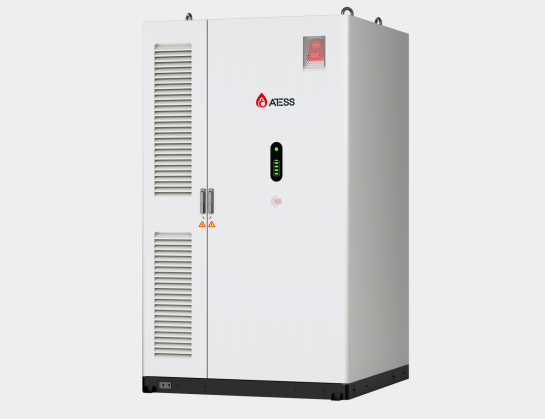
Business demand for C&I energy storage is growing worldwide as companies look to reduce demand charges, improve energy cost control, and strengthen power resilience.
Yet the initial investment is not limited to batteries, inverters, and other hardware. System integration, on-site electrical work, BESS installation, and commissioning can all affect the total installation cost and project ROI.
For many businesses, lowering overall project cost is as important as choosing the right battery or inverter.
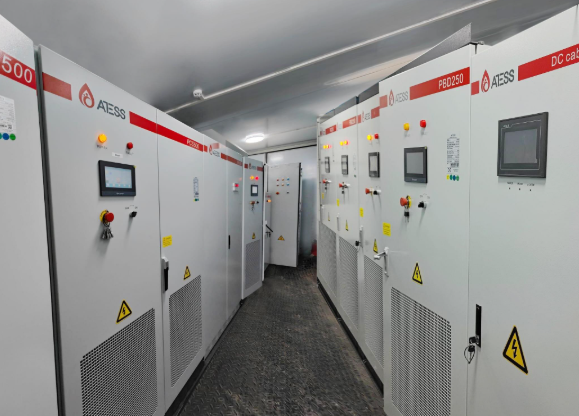
Why C&I Energy Storage Installation Costs are High
1. Numerous Components and Complex Architecture
A typical C&I energy storage setup goes beyond battery packs. Depending on the project design, it can include power conversion systems (PCS), isolation transformers, main distribution panels, HVAC or thermal management equipment, and fire safety systems.
Integrating these components on-site calls for careful engineering, electrical coordination, and safety compliance.
2. Extensive On-Site Wiring and Electrical Work
System layouts that rely on separate hardware enclosures often require substantial field cabling. This work can cover cable routing, conduit runs, grounding, AC/DC connections, and terminations.
As a result, qualified electricians may need more time on site, which can extend the project timeline and drive up labor costs.
3. Higher Costs During Early Design
Every site has different load curves, tariff structures, transformer capacity, grid rules, PV capacity, backup requirements, and available space. Early planning often covers load analysis, battery sizing, inverter selection, grid-connection review, and protection configuration.
This level of customization can lengthen pre-construction reviews and add to engineering or consultancy costs.
4. Longer Commissioning Cycles
When a system uses equipment from multiple suppliers, communication between devices such as the BMS, inverter, EMS, meters, and protection units can take more time to configure.
Engineers need to verify protocols, parameters, alarm logic, charge and discharge control, and grid-connection functions. Additional site testing or remote support can add labor hours and lengthen the final BESS installation timeline.
5. Limited Site Space
Factories and commercial buildings may not have ideal locations for new energy equipment. Indoor rooms can be crowded, while outdoor areas may face ventilation, fire safety, drainage, access, or cable-routing restrictions.
These physical constraints can call for additional planning, split layouts, or site preparation, making construction more complex and cost-intensive.
6. Higher Coordination Costs
A C&I energy storage project often brings together multiple stakeholders, including equipment suppliers, EPC contractors, electrical contractors, local utilities, and the end user.
If delivery schedules, construction phases, technical interfaces, or grid-interconnection approvals are not aligned, delays can happen. This can add to project management work and raise the overall project cost.
How to Effectively Reduce C&I Energy Storage Costs
To control total installation cost, businesses should look beyond hardware prices and evaluate the entire project delivery process.
1. Choose Integrated System Designs
Selecting highly integrated equipment can cut the number of external devices and connection points. Compared to layouts that rely on multiple separate cabinets, a consolidated architecture can streamline field wiring, simplify interface management, and make the overall BESS installation process easier to manage.
2. Deploy Scalable Solutions with Modular Batteries
Modular power stack batteries allow businesses to match initial system capacity more closely with current energy needs, helping avoid unnecessary capital expenditure on oversizing. As facility power consumption grows, operators can add standard units in stages rather than overhaul the entire infrastructure.
If a hardware fault occurs, technicians can replace the affected module instead of taking a larger battery section offline, helping limit maintenance downtime.
3. Simplify Field Deployment and Commissioning
Standardized hardware architectures can limit repetitive engineering work during the final deployment phase. By using factory-tested equipment with clear wiring interfaces and pre-configured communication settings, project teams can shorten the time required for on-site checks and system validation, supporting a faster and more cost-efficient commissioning process.
ATESS C&I Energy Storage Solutions
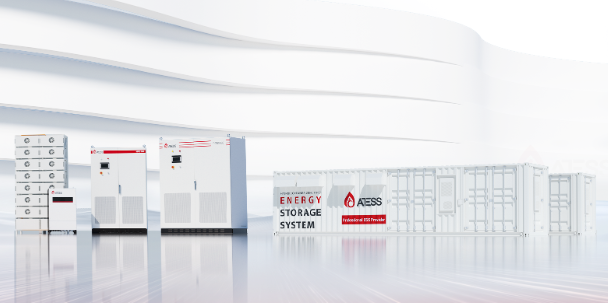
At ATESS, we develop solutions for C&I energy storage projects of different sizes.
1. Integrated Hybrid Inverters
For small and medium C&I projects such as factories, commercial buildings, business parks, and PV-plus-storage sites, ATESS HPS30/50/100/120/150 solar hybrid inverters help streamline system architecture. The all-in-one design supports battery, load, grid, and solar connections, lowering the need for multiple separate devices and making BESS installation easier to manage.
2. PCS Solutions
For higher-power applications such as industrial facilities, EV charging stations, microgrids, and weak-grid projects, ATESS PCS solutions provide flexible power conversion capacity.
PCS250S/350S includes a built-in STS function, which can lower the number of external switching components in many grid/off-grid designs.
PCS1200HV/1500HV supports up to 1500kW per unit, helping large projects limit the number of parallel units and simplify system configuration.
3. Battery Configuration
EnerStack batteries use a modular and stackable structure to simplify on-site installation and future expansion. They can be stacked according to project capacity needs, easing complex wiring and helping businesses avoid unnecessary oversizing at the early project stage.
Conclusion
C&I energy storage installation cost depends on more than battery and inverter prices. System architecture, on-site wiring, early-stage design, commissioning, space limitations, and multi-party coordination can all affect the final project cost and delivery timeline.
To reduce avoidable expenses, businesses should consider integrated system design, modular batteries, simplified installation, and product selection that matches the project scale. If you are planning a C&I energy storage project, contact ATESS to discuss your site conditions, power demand, and project goals.