Electric vehicles are becoming more common among staff, students, visitors, service teams, and campus fleets. Schools and universities therefore need to think about how charging can fit into daily transport patterns without creating unnecessary pressure on parking areas or electrical systems. Planning EV charging infrastructure starts with understanding who will use the chargers, how long vehicles normally stay, and how many charging points may be needed over time.
Campuses are different from roadside charging locations because many vehicles remain parked for several hours. This gives project teams more flexibility when deciding where chargers should be installed and what charging speed is suitable for each group.

Understanding the Main User Groups
Charging demand on a campus usually comes from several user types. Teachers and administrative staff may park for a full working day, while students may stay for several hours depending on class schedules. Visitors often need shorter stays, and campus fleets may follow fixed operating routes.
These differences affect charger selection. Staff parking areas may suit AC charging because vehicles remain parked for longer periods. Visitor zones may need easier access and clearer signage. Fleet vehicles may require more structured charging schedules so they can return to service when needed.
Project teams should also consider accessibility, parking allocation, and expected future EV adoption. Planning for expansion at the beginning can reduce the need for major layout changes later.
Common Charging Equipment on Campuses
Campus charging projects can include AC chargers, DC fast chargers, and supporting management systems. AC chargers are often suitable for locations where vehicles remain parked for longer periods. DC fast charging can be useful when shorter charging times are required for fleet vehicles, visitors, or high-turnover parking areas.
Power distribution equipment, protective devices, cables, signage, and network connections are also part of the system. The charger itself is only one part of the installation.
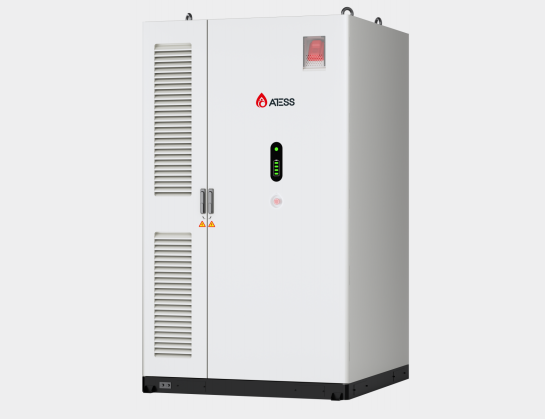
At ATESS, we provide EV charging solutions that include commercial AC charging and DC fast charging options. Our EV charging portfolio is designed for different application situations, so project teams can review charging methods according to site demand rather than relying on one charger type for every parking area.
Site Planning Before Installation
Site planning should begin with parking behavior and electrical conditions. Project teams need to identify where vehicles stay longest, which spaces can support charging equipment, and how users will enter and leave the area.
Electrical capacity is another key factor. Installing many chargers without reviewing the available supply may create unnecessary pressure on the site. Engineers should evaluate expected charging loads together with other campus electricity demand.
Cable routes and installation distances also matter. Charging points placed far from distribution equipment may require more cabling and civil work. Early review can help schools compare installation options before construction begins.
Charging Speed Should Match Parking Time
Higher charging power is not always necessary for every campus location. When staff or students park for several hours, slower AC charging may be practical because vehicles have enough time to receive energy during the day.
Faster charging can serve different needs. Campus fleets may need vehicles ready within a shorter period, while public-facing facilities may want charging points that support quicker turnover.
Well-planned EV charging infrastructure can combine different charger types instead of applying one charging speed across the whole site. This approach helps match equipment choices with real parking patterns and operational priorities.
Managing Daily Charging Demand
Campus charging can become more complex as EV adoption increases. Several vehicles may connect at similar times in the morning, while demand may fall during other parts of the day. Project teams should consider how charging demand changes across working hours, class schedules, and special events.
Clear user rules can also improve operation. Schools may define who can use specific charging areas, how long vehicles can remain connected, and whether fleet vehicles receive priority during certain periods.
Monitoring and management functions can support larger charging networks by giving operators better visibility into charger use. This becomes more important as campuses expand to multiple charging zones.
Planning for Future Expansion
Schools rarely need to install every future charger at once. Phased planning can begin with current demand while reserving space, cable routes, or electrical capacity for later expansion.
Growth planning should consider changes in staff vehicles, student transport, campus fleets, and sustainability programs. Future building projects may also change parking locations or power availability.
We support commercial EV charging projects with AC and DC charging solutions for different operating requirements. ATESS can work with project partners to review charging scenarios and select equipment based on the intended application. Our official EV charging solutions include DC fast charging stations and commercial AC charging solutions.
Building a Practical Campus Charging Plan
Campus charging works better when equipment decisions follow real use patterns. Schools should begin with user groups, parking duration, site electrical conditions, access routes, and future expansion needs rather than selecting chargers only by rated power.
The right plan may combine staff charging, visitor charging, and fleet charging within the same campus. By matching charger type, location, and operating rules with actual demand, schools and universities can develop a charging network that is easier to manage and more suitable for long-term campus transport planning.