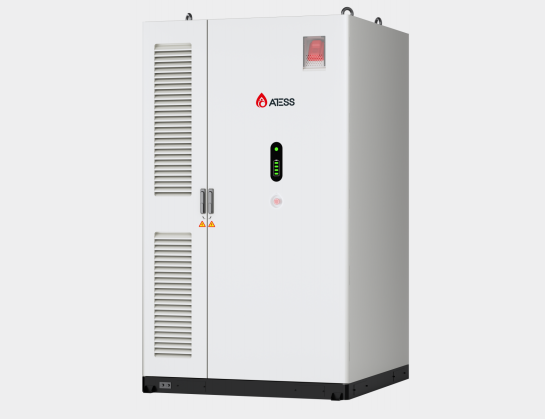
Businesses are paying more attention to energy storage as electricity costs, backup needs, and renewable energy use become part of daily operations. Traditional storage projects can involve several separate devices, complex wiring, and more coordination during installation. Bringing key functions into one BESS structure can simplify deployment while making energy management easier to understand.
What an All-in-One BESS Includes
A battery energy storage system can combine several functions that would otherwise be installed as separate parts. Typical systems may include battery modules, a power conversion system, an energy management system, thermal management, protection devices, and fire safety components.
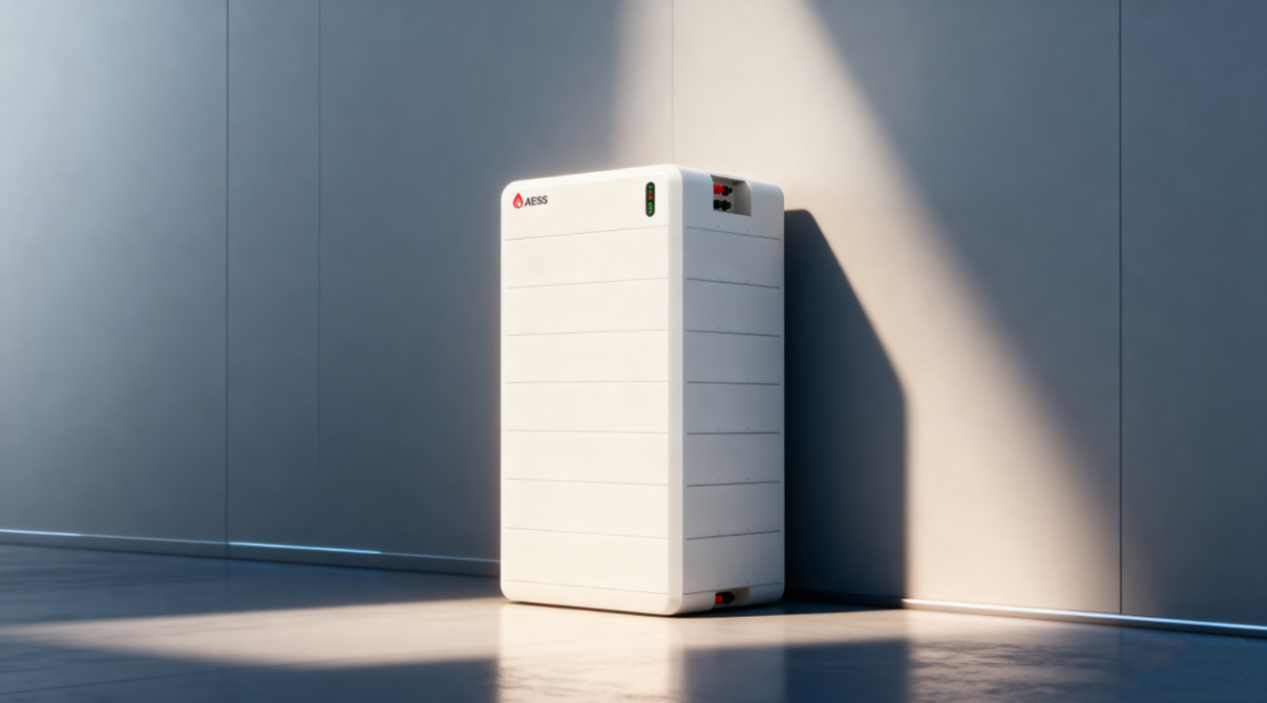
Each part has a different role. Batteries store electrical energy, while the power conversion system manages energy flow between the battery and the site. The energy management system monitors operating conditions and helps coordinate charging and discharging according to the selected strategy.
Thermal management supports suitable operating conditions for battery components. Protection and fire safety functions are also important because commercial storage equipment needs clear monitoring and response measures during daily operation.
When businesses evaluate a BESS manufacturer, they should look beyond cabinet size or storage capacity. System integration, component coordination, maintenance design, and expansion options can all influence how easily a storage project moves from installation to daily operation.
Why Integrated Design Simplifies Installation
Traditional storage projects may require installers to connect batteries, conversion equipment, control units, and protection devices separately. Every additional interface can increase the amount of wiring, commissioning work, and coordination required on site.
Integrated systems reduce some of this complexity by combining major components into a coordinated design. Fewer separate connections can make the installation process easier to organize and may shorten the time needed for site preparation and system setup.
Modular construction can further simplify deployment. Installers can work with standardized modules rather than creating every part of the system from individual components. This approach is useful for commercial sites where construction schedules and available installation space need careful control.
We also consider access and positioning during project planning. Equipment that is easier to place, connect, inspect, and expand can help businesses prepare storage projects with fewer installation steps.
Management Is More Than Charging and Discharging
Energy storage needs ongoing monitoring after installation. Businesses may need to check state of charge, system status, alarms, operating history, and software settings as part of routine management.
Remote diagnostics can reduce the need for every issue to be checked directly at the installation site. Program upgrades can also support system management as operating requirements change. Automatic state-of-charge calibration is another useful function because it supports more consistent battery monitoring.
For companies operating several facilities, working with a bess manufacturer that provides practical monitoring and maintenance functions can simplify long-term system management. Operators can review system information and respond to selected issues without relying only on manual inspection.
Clear operation and maintenance tools are especially useful when storage equipment supports business-critical loads. Managers need practical information about system condition instead of complicated data that is difficult to interpret.
Outdoor Deployment Can Save Indoor Space
Space is often limited in commercial buildings. Electrical rooms may already contain switchgear, control equipment, and other infrastructure, so adding a large storage system indoors may require additional planning.
Outdoor-capable equipment gives project teams another installation option. Weather protection, enclosure design, and site access become important when storage equipment is placed outside the main building.
The EnerStack100 from ATESS uses a stackable modular design and has an IP65 protection rating. It is designed for outdoor deployment and does not require complex wiring between its stackable battery modules. This can help projects avoid using limited indoor space.
Its adaptive installation hole positions are designed to reduce installation errors, while modular components simplify deployment. Reserved conditions for battery clusters and system expansion also give project teams room to consider future capacity changes.
Safety and Maintenance Need Practical Planning
Storage projects should be planned around operating conditions, maintenance access, and response procedures. Fire protection, electrical isolation, monitoring, and equipment spacing all need to be considered before installation.
Targeted prevention and control can support faster response when a problem is detected. The EnerStack100 is designed to locate a fire source and extinguish it quickly to reduce the risk of spreading within the system.
Its intelligent operation and maintenance functions include automatic SOC calibration, remote diagnostics, and program upgrades. These tools support routine monitoring without making daily management dependent on frequent on-site intervention.
We recommend reviewing these functions together with local installation requirements, site conditions, and the wider electrical design. Equipment features are only one part of a complete storage project.
When an Integrated System Makes Sense
Integrated BESS solutions can be practical for businesses that want to reduce installation complexity, organize equipment within a smaller footprint, and simplify ongoing system management. They may be useful when project teams have limited installation time or need a modular approach that can support later expansion.
When selecting a bess manufacturer, businesses should review load profiles, available space, electrical infrastructure, expansion plans, installation conditions, and operation requirements together. These factors provide a more practical basis for choosing a suitable storage configuration.
At ATESS, we develop energy storage solutions for different commercial and industrial requirements. By combining modular installation, outdoor deployment, intelligent operation and maintenance, and expansion planning, an integrated system can provide businesses with a more organized path from project design to daily energy management.