Solar panels do not produce the same electrical output throughout the day. Changes in sunlight, temperature, shading, and panel orientation can shift the voltage and current available from a solar array. For commercial and large-scale projects, this variation makes power management an important part of system design.
An mppt solar charge controller helps the system track a suitable operating point as conditions change. Instead of letting the array operate at a fixed point, MPPT technology adjusts electrical conditions so the panels can work closer to their available power level. This can make solar generation more stable when sunlight changes during normal operation.
How MPPT Responds to Changing Sunlight
Solar panels have a relationship between voltage and current that changes with environmental conditions. When sunlight becomes stronger, available current can rise. When clouds pass over the site, the electrical characteristics of the array can change again.
MPPT stands for maximum power point tracking. The controller evaluates the operating condition of the solar array and adjusts the working point according to available voltage and current. This helps the system respond when solar input changes instead of relying on one fixed setting.
Consider a solar array operating well at midday. Later, cloud cover reduces sunlight for several minutes. The original operating point may no longer match the new panel conditions. MPPT control can adjust the electrical operating point so the array continues working closer to the power available at that moment.
Why One Fixed Setting Is Not Enough
Solar generation depends on real outdoor conditions, so a fixed electrical setting can limit how effectively an array operates across the day. Morning sunlight, midday conditions, passing clouds, and late-afternoon light can each create different voltage and current combinations.
For project designers, this matters because solar systems work across many operating conditions. MPPT control provides a way to adapt to these changes automatically and helps the system use available PV input more effectively.
Shading also matters. Different strings may receive different sunlight because of nearby structures or array orientation. System design needs enough flexibility to manage these variations.
This is one reason larger projects often use multiple tracking channels. Separate MPPT paths can give designers more flexibility when arranging solar arrays with different orientations or operating conditions.
How Multiple MPPTs Support Array Design
Multiple MPPT channels allow different PV inputs to be managed with greater flexibility. Designers can separate parts of an array when their electrical behavior is not identical, rather than forcing all sections to follow one operating condition.
This can help when a site includes different roof directions or panel groups that receive sunlight at different times. Multiple trackers give engineers more options when dividing the solar field.
For larger projects, an mppt solar charge controller with several tracking channels can also support expansion planning. Engineers can organize PV inputs more clearly and review how future array additions may connect with the existing system.
Project teams should still consider string design, PV capacity, voltage range, and site conditions before deciding how many tracking channels are suitable.
Where SMC200 Fits in Larger Solar Projects
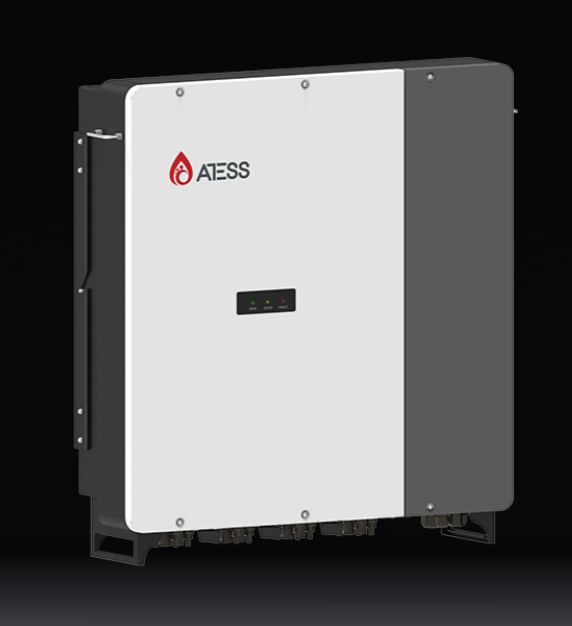
For large-scale solar applications, we provide the SMC200 smart MPPT controller. It is designed to work together with our PCS and Bypass products in larger solar projects, creating coordination between PV collection and the wider power conversion system.
The SMC200 includes 8 MPPTs, giving project designers flexibility when arranging solar arrays. Different PV sections can be organized according to project requirements while remaining within the technical design of the overall system.
We also designed the unit so multiple controllers can operate in parallel. This allows PV capacity to be expanded by adding units when the project requires more solar input. The modular structure supports this expansion approach and can make future PV power increases easier to plan.
Its transformerless design also makes the equipment more compact, which can help when project teams coordinate equipment layout and future system expansion.
Planning MPPT Around the Whole System
MPPT performance should be considered together with the rest of the solar power system. Panel configuration, cable design, PCS selection, load requirements, and installation space all influence how the project should be arranged.
Project teams should also review how future expansion may affect the original design. If additional PV capacity is expected later, controller layout and electrical planning should leave a practical path for adding more solar input.
At ATESS, we approach MPPT control as one part of a larger system rather than as a separate component. This perspective is relevant for commercial and large-scale projects where PV generation, power conversion, and system coordination need to work together.
Getting More Practical Value from Solar Panels
MPPT technology helps solar arrays respond to changing sunlight, temperature, and electrical conditions by adjusting the operating point instead of keeping it fixed. The practical value comes from matching control behavior with the conditions the panels experience throughout the day.
For larger projects, multiple tracking channels and expansion options can make system planning more flexible. We recommend evaluating array layout, future PV capacity, and wider system architecture together before selecting the controller arrangement.
With the SMC200, ATESS provides 8 MPPTs, parallel expansion capability, modular design, and a transformerless structure for large-scale solar projects. These features give project teams practical options when planning PV capacity and coordinating solar generation with the wider energy system.