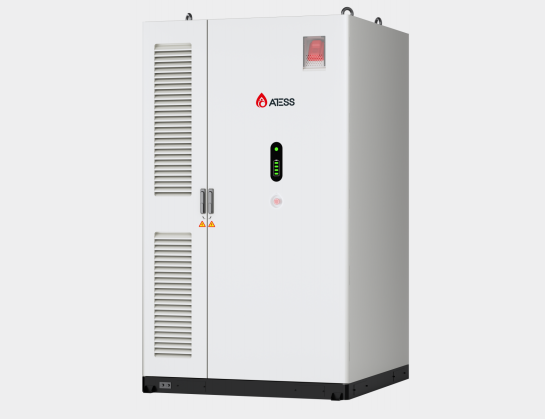
Electricity demand in a commercial site rarely stays constant throughout the day. Factories, offices, shopping centers, and other facilities may experience low consumption followed by sharp demand peaks. Storage gives businesses another way to manage this changing load.
Understanding when to charge, when to discharge, and which loads need backup is central to planning commercial energy storage systems. We explain these functions from a practical operating perspective.
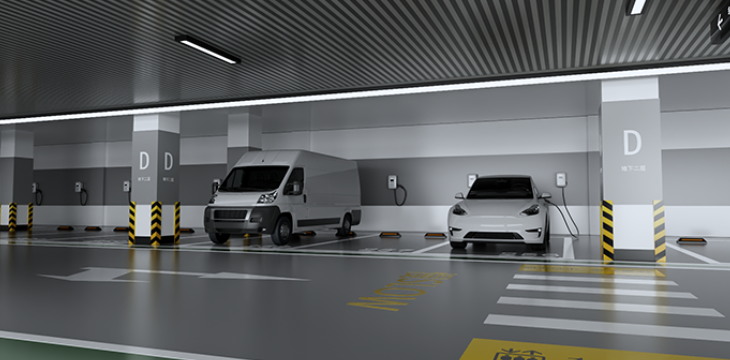
Why Electricity Use Changes Through the Day
Commercial facilities often follow predictable working patterns. Production equipment may start together in the morning, air-conditioning demand can rise during busy hours, and some buildings experience short but significant load peaks.
Electricity tariffs can also vary by time or demand structure. Where local pricing provides lower-cost periods, a battery can be charged when electricity is less expensive and prepared for later use. Results still depend on tariffs, load profiles, sizing, and operating strategy.
Solar generation adds another variable. Midday production may not match the facility's highest consumption period. Storage can move part of that solar energy to a later period.
For project planning, we start with load curves, tariff rules, solar production, critical loads, and operating hours.
How Low-Period Charging and Peak Discharging Work
The basic idea behind load shifting is simple. During a lower-demand or lower-price period, the system charges the battery from the grid, solar generation, or another available source. The stored electricity is then available when site demand rises or electricity becomes more expensive.
During peak periods, the battery discharges through a bidirectional inverter or PCS and supplies part of the facility load. This can reduce the amount of power drawn from the grid at that moment. Control settings should keep enough stored energy for the intended operating window.
Peak shaving is related but focuses on reducing short demand peaks. Instead of supplying the site throughout an entire expensive period, the battery may respond when demand approaches a defined threshold.
We design energy storage solutions for different commercial and industrial scales. ATESS battery inverter products support charging and discharging, while our solutions include operating modes for load shifting, peak shaving, self-consumption, and backup applications.
Backup Power Requires More Than Stored Capacity
Backup operation has a different purpose from tariff management. When the grid fails, selected loads may need continued power to support production control, communications, lighting, refrigeration, data systems, or other site-specific functions.
System planners first need to identify critical loads. Supplying every circuit can require much more battery capacity and inverter power than supporting only essential equipment. Separating critical and non-critical loads can make backup design more practical.
Backup duration also matters. Battery energy capacity influences how long loads can operate, while inverter power determines how much load can be supplied at one time.
Our HPS30/50/100/120/150 hybrid inverter range supports battery, load, grid, and solar connections and includes programmable modes for peak shaving, backup, and self-consumption.
Battery state of charge also affects sche****ng. Keeping a defined reserve can help the system respond to an unexpected outage while still participating in daily load management. The reserve level should reflect the importance of critical loads and expected outage duration.
What Determines Whether Storage Works Well
Suitable system sizing starts with the load profile rather than a standard capacity figure. Facilities with short demand spikes may need a different power-to-energy ratio from sites that want several hours of load shifting.
Battery charging opportunities must also be considered. If the system cannot recharge before the next peak period, the planned strategy may not work consistently.
Control logic is equally important. The system needs clear priorities for charging, discharging, backup reserve, and interaction with solar generation.
Project teams should also review site electrical architecture. Existing PV systems, transformers, switchgear, grid conditions, installation space, and future expansion can influence whether AC coupling, DC coupling, or another configuration is more suitable.
Where Commercial Storage Can Add Practical Value
Operating schedules may also change by weekday, season, or production cycle. For this reason, control settings should be reviewed when site demand changes. Historical data can show whether the original charging window and discharge threshold still match actual facility behavior.
The value of commercial energy storage systems comes from timing electricity use more deliberately. Charging during suitable periods and discharging during peaks can support load management, while reserved battery capacity can provide another power source when the grid is unavailable.
Results depend on tariff structure, load behavior, system sizing, control settings, and the value of backup power to the business. Careful analysis helps clarify the expected operating role.
Planning Storage Around Real Site Needs
Storage works more effectively when its purpose is defined before system design begins. Businesses should decide whether the priority is peak shaving, load shifting, solar self-consumption, backup power, or a combination of these functions. We provide commercial and industrial energy storage products ranging from hybrid inverters to battery inverters and integrated storage solutions. ATESS supports project teams in matching system configuration with application requirements rather than treating storage as a standard setup.
Buyers and engineering teams should collect load data, tariff information, critical-load requirements, and available energy sources. With these inputs, storage can be evaluated as an operating tool that saves electricity for the periods when the site actually needs it.