Modern commercial and industrial sites often use more than one energy source. Solar panels produce daytime power, batteries store unused electricity, and the grid supplies additional power when needed. The challenge is making these sources work together without unnecessary complexity.
Understanding the basic power flow helps businesses evaluate solar-storage systems and plan energy use around real operating conditions. Different operating strategies can determine when solar energy is consumed, when batteries are charged, and when grid power is required.
How Power Moves Through the System
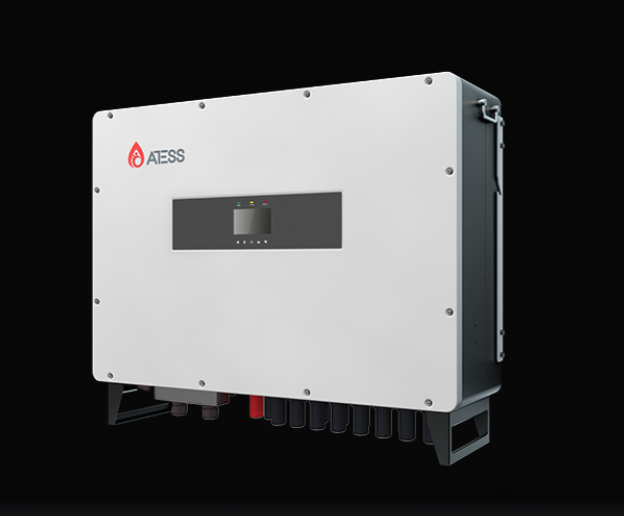
The main job of a hybrid inverter is to manage power between solar generation, battery storage, connected loads, and the utility grid. It directs electricity according to the operating mode, available solar power, battery status, and site demand.
During strong sunlight, solar power can be used first by connected loads. When generation is higher than immediate demand, remaining energy can be directed to the battery for later use, depending on system settings and battery capacity.
When solar generation drops, stored battery energy can support the load. If the battery cannot provide enough power, the system may draw electricity from the grid. This coordinated process can reduce unnecessary grid use while keeping power available for operations.
Solar Power Usually Takes Priority
Solar generation is often treated as the first energy source because it is produced directly on site. During daytime operation, factories, offices, warehouses, or commercial facilities can use solar electricity as it is generated.
Some sites may prioritize self-consumption, while others may use time-based strategies that charge batteries during selected periods and discharge them when electricity costs are higher.
We normally look at the actual load profile before discussing system operation. Daytime demand, peak periods, backup requirements, and local grid conditions affect how solar power should be distributed.
Battery Storage Adds Flexibility
Battery storage gives businesses more control over when solar energy is used. Instead of exporting unused daytime generation immediately, part of that energy can be stored and used later.
This is useful for facilities with evening loads, changing production schedules, or peak-demand periods. Battery discharge can reduce reliance on the grid during selected hours and support critical loads when the grid becomes unavailable.
Battery performance still depends on system design. Capacity, charge and discharge limits, operating strategy, and expected backup duration should be reviewed together.
The Grid Remains an Important Backup Source
The grid still plays an important role in commercial and industrial systems. It can provide additional power when solar output is low and battery energy is not sufficient for the connected load.
Grid interaction can also support flexible charging strategies. In some projects, batteries may be charged from the grid during lower-cost periods and discharged later, depending on local tariffs, regulations, and system settings.
This means the system is not simply switching between three independent power sources. It is balancing them according to operating logic and site demand.
What Happens During a Grid Outage
Power interruption is one situation where system coordination becomes especially important. When the grid fails, the system needs to identify the change and move to the available backup source according to the configured operating mode.
Solar production may continue to support selected loads when system design allows it, while battery storage can provide additional power. Actual backup duration depends on battery capacity, load size, and operating conditions.
For commercial users, this planning should begin with critical-load identification. Production equipment, communication systems, lighting, refrigeration, and other essential loads may have different priorities during an outage.
Commercial Example for Integrated Power Control
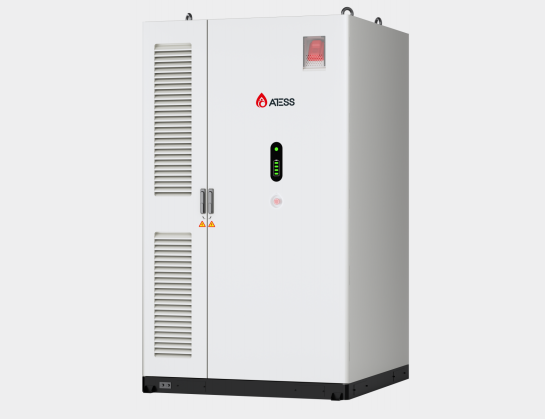
For medium commercial and industrial projects, ATESS provides the HPS100000/125000TL, a 100–125 kW three-phase all-in-one solution. It combines solar and storage power management within one system and includes an inbuilt ATS.
The model has efficiency of up to 97.6% and is designed for projects that require integrated solar-storage operation. Its all-in-one structure can reduce the number of separate system components needed in some project designs.
We position this product for applications where businesses need coordinated power management rather than independent devices. The system can support solar generation, battery storage, grid interaction, and backup operation within one integrated platform.
Planning the Right Operating Strategy
Choosing the right equipment is only one part of system design. Buyers should also review load demand, PV capacity, battery size, grid conditions, backup needs, and the required operating schedule before selecting equipment.
We recommend reviewing how the site uses electricity during different periods of the day. Real load data provides a clearer basis for deciding when to use solar power, charge or discharge batteries, and rely on grid support.
For B2B projects, these decisions involve technical teams, project developers, and facility managers. Clear operating priorities make system configuration easier to understand and can reduce changes during commissioning.
Bringing Solar, Battery, and Grid Power Together
The value of an integrated solar-storage system comes from coordination. Solar power can serve daytime loads, batteries can shift energy to later periods, and the grid can provide additional support when required.
Our work at ATESS focuses on commercial and industrial energy solutions that bring these power sources into one operating framework. The HPS100000/125000TL is one example for medium-scale projects that need integrated three-phase power management.
For businesses evaluating solar-storage projects, the practical question is not which source works alone. It is how each source should support the others under changing load and grid conditions. Clear energy planning helps turn solar, storage, and grid power into one manageable system.