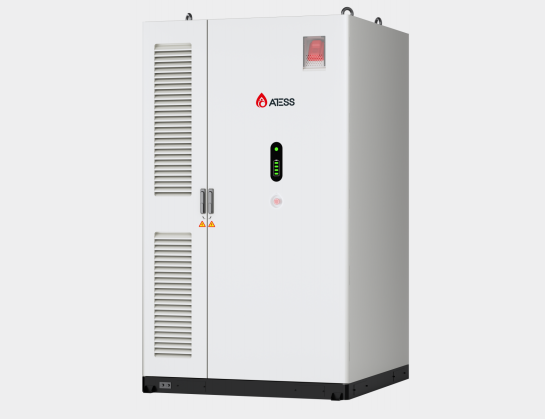
Backup power systems are designed to keep important equipment operating when the normal power source becomes unavailable. However, maintenance, equipment faults, and source switching can still create challenges for system operators. Businesses therefore need to understand how power can be redirected when parts of the system require inspection or temporary isolation.
A bypass cabinet provides a practical path for managing these situations. Its basic role is to create an alternative electrical route so that selected equipment can be maintained or isolated while the wider power system continues to operate according to the system design.
Why Backup Systems Need an Alternative Power Path
Power conversion equipment usually sits between the power source and the electrical loads. During normal operation, electricity follows the designed route through inverters, switching devices, and other system components.
When the utility grid becomes unavailable, our bypass cabinet works with the configured battery inverter and system controls to support the transition to off-grid operation. The available backup power and transfer behavior depend on the connected equipment, system configuration, and site requirements.
Bypass arrangements help system designers prepare for this condition. Instead of treating maintenance as an unexpected event, they can include an electrical route that supports planned servicing and system isolation.
This approach is particularly useful in commercial and industrial facilities where power interruptions can affect production, communication equipment, building systems, or other operational processes.
What Happens During Equipment Maintenance
Routine maintenance is important for power equipment because electrical and mechanical components need periodic inspection. Before technicians work on equipment, the relevant section normally needs to be isolated from live electrical circuits.
During this process, the bypass path can redirect power around the equipment being serviced. The exact switching procedure depends on the electrical design and the devices installed in the system.
Operators should follow the approved operating sequence rather than switching components without a clear procedure. Interlocks, protection settings, and system documentation all need to be considered before maintenance starts.
The purpose is not simply to keep electricity flowing. Proper bypass planning also gives maintenance teams a clearer way to separate equipment from the active power path while other parts of the system remain available.
How Fault Switching Supports Power Continuity
Equipment faults can occur even when systems are properly maintained. Protection devices may disconnect affected equipment to prevent a fault from spreading to other parts of the electrical installation.
In a system with suitable switching arrangements, another available source may then supply the load. This reduces the dependence on a single path and gives operators more options during abnormal conditions.
For example, commercial energy systems may use the utility grid as one source and a diesel generator as another. Switching equipment can select between these sources according to the system configuration.
The response still depends on the complete electrical design. Source availability, protection logic, load requirements, and switching conditions should all be considered when planning backup power.
The Difference Between Manual and Automatic Switching
Some bypass arrangements rely on manual operation. Technicians follow a defined procedure and operate switching devices when maintenance or system changes are required.
Automatic transfer systems perform another function. They monitor source conditions and transfer between available power sources according to preset control logic. This can reduce the amount of manual intervention required during source changes.
These functions should not be confused. A bypass cabinet mainly provides an alternative electrical path, while automatic transfer equipment manages switching between different power sources.
Understanding this difference helps project teams select equipment according to actual requirements instead of treating every backup component as if it performs the same task.
How ATS Supports Grid and Generator Switching
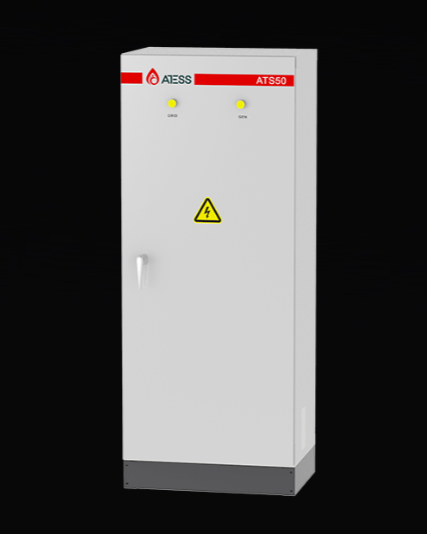
In our energy storage applications, ATESS provides the ATS30/50/100/150 as an accessory for HPS systems. It is used when both the utility grid and a diesel generator need to access the HPS.
The ATS can automatically transfer between the grid and DG. This function gives the system a structured way to select between the two sources when operating conditions change.
The product is compatible with HPS and supports flexible management. It also supports remote control of the DG, which can help system operators coordinate generator operation with the wider energy system.
These functions are relevant when a project needs organized source management rather than only a physical maintenance bypass. The equipment should therefore be selected according to the system architecture and required switching logic.
What Project Teams Should Review Before Selection
Backup power planning starts with understanding the load. Project teams should identify which equipment must continue operating and how long an interruption can be tolerated.
They should also review available power sources. Grid supply, generators, energy storage, and renewable generation may play different roles depending on the project.
Switching sequence is another important consideration. Designers need to understand how power moves between sources during maintenance, faults, and normal operation.
Site teams should also review protection coordination, equipment ratings, maintenance procedures, and control requirements before finalizing the electrical design.
Building a More Practical Backup Power Strategy
Backup power is not based on one device alone. Reliable system planning requires suitable power sources, switching equipment, protection devices, and clear operating procedures to work together.
At ATESS, we approach source switching as part of the wider energy system. The ATS30/50/100/150 supports HPS applications that need automatic transfer between the grid and DG, together with flexible management and remote generator control.
Understanding the role of each component helps businesses plan maintenance, respond to faults, and manage power sources more clearly. A well-structured backup design gives project teams a practical framework for keeping critical operations supported during changing power conditions.