Winter conditions can create challenges for commercial and industrial energy storage systems. Low temperatures affect battery performance, charging efficiency, and the energy available for daily operations. For businesses that depend on stored electricity to manage peak demand, support production, or maintain backup power, understanding seasonal battery care is essential.
At ATESS, we believe effective energy management begins with choosing suitable equipment and maintaining it according to operating conditions. By understanding how cold weather affects batteries and planning for seasonal changes, businesses can improve system reliability and protect their long-term investment.
How Cold Weather Affects Batteries and Energy Storage
Temperature is an important factor in battery performance. In lithium-ion batteries, low temperatures slow electrochemical reactions and increase internal resistance. As a result, batteries may deliver less available power and charge less efficiently in cold conditions.
Charging requires particular attention. Charging lithium-ion batteries below their permitted temperature range can cause lithium plating, potentially reducing battery capacity and creating safety risks. The exact limits depend on battery chemistry, cell design, and manufacturer specifications, so operators should never assume that every battery can operate under the same conditions.
Cold weather can also affect the wider energy storage system. Temperature fluctuations may influence auxiliary heating requirements, while poor thermal management can contribute to uneven temperatures between battery cells. These factors can affect system efficiency and operating costs.
For businesses, the practical consequences may include reduced usable energy, changes in charging schedules, and greater demands on temperature control. Understanding these effects helps facility managers prepare for winter rather than responding only after performance declines.
Five Practical Tips for Winter Battery Care
1. Follow the manufacturer's temperature limits
Check the battery manual for permitted charging, discharging, and storage temperatures. Do not rely on general industry recommendations when product-specific limits are available. If temperatures fall outside the approved range, follow the manufacturer's instructions before resuming operation.
2. Prioritize battery thermal management
A suitable thermal management system helps maintain battery temperatures within the intended operating range. Depending on the installation, this may involve heating, air conditioning, air cooling, or liquid cooling. The appropriate solution depends on the battery design, installation environment, climate, and system capacity.
3. Monitor battery status regularly
Review battery temperature, state of charge, alarms, and charging or discharging performance through the available monitoring platform. Pay attention to unusual temperature differences, repeated warnings, or unexpected reductions in available power. Early investigation can help identify developing problems before they cause prolonged downtime.
4. Protect outdoor installations
Outdoor battery systems face greater exposure to wind, precipitation, and changing ambient temperatures. Select equipment with an enclosure protection rating suitable for the installation environment, and inspect seals, ventilation paths, cables, and surrounding drainage as recommended by the manufacturer. Never block ventilation or modify an enclosure without authorization.
5. Plan winter operating schedules
Cold conditions may increase the energy required for thermal management and reduce the energy immediately available for certain operations. Businesses should review expected loads, backup-power requirements, and charging schedules before winter begins. Allowing sufficient energy reserves can help maintain operational continuity during periods of high demand or adverse weather.
Choosing Energy Storage Equipment for Cold Climates
When evaluating batteries and energy storage systems, buyers should consider more than nominal capacity and initial purchase price. Temperature limits, thermal management design, enclosure protection, monitoring capabilities, maintenance requirements, and local service support all influence suitability for a particular project.
Liquid cooling is one option for larger installations. By managing heat transfer across battery packs, a properly designed liquid-cooling system can help maintain more consistent cell temperatures. However, its benefits depend on system design and operating conditions; it does not automatically guarantee performance in every cold climate.
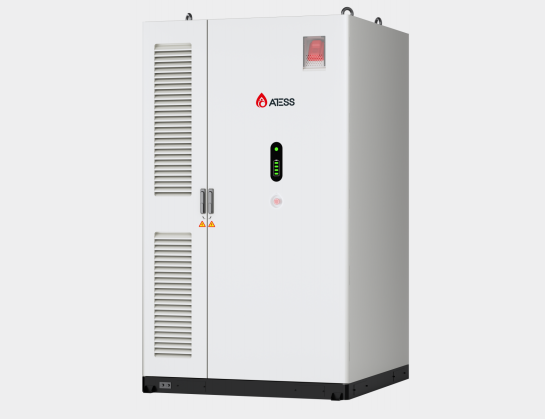
At ATESS, our battery energy storage solutions serve residential, commercial, industrial, and larger-scale applications. Our portfolio includes lithium-ion battery cabinets and modular battery products designed for different installation requirements.
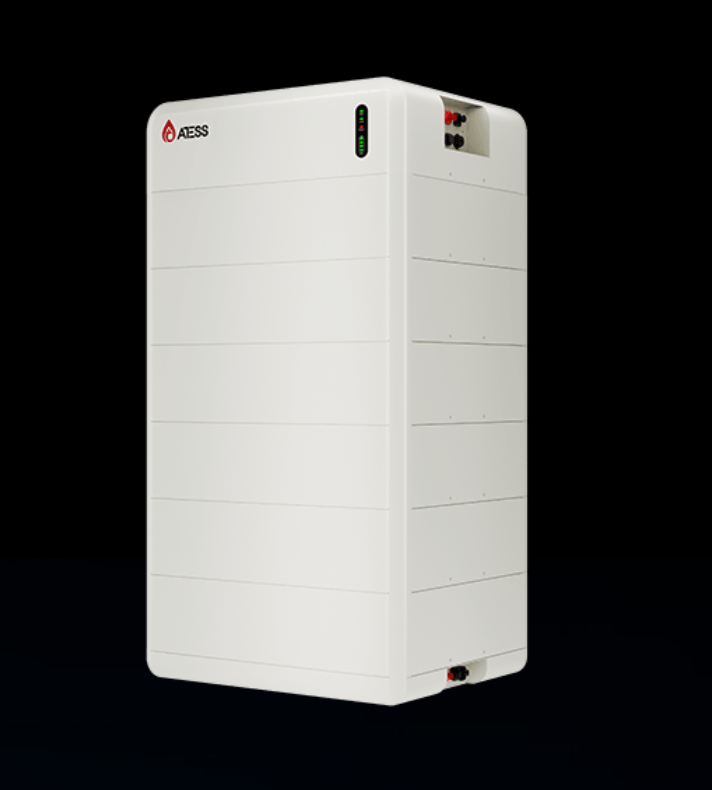
For example, our EnerStack314 features intelligent temperature control that dynamically adjusts fan speed to help maintain suitable battery operating temperatures. Its specified charging temperature range is 0°C to 55°C, while its discharging temperature range is -20°C to 55°C. Projects in cold climates should verify these limits and assess whether additional environmental controls are required. For projects with different environmental demands, customers should review the relevant product documentation to confirm operating limits, installation requirements, and whether additional heating or environmental controls are necessary.
We recommend evaluating the complete system rather than selecting a battery in isolation. Compatibility among batteries, power conversion equipment, control systems, and thermal management components is important for dependable operation throughout the year.
Build a Proactive Winter Maintenance Plan
Winter preparation should begin before temperatures drop. Facility managers and system integrators can establish a maintenance schedule that includes equipment inspections, monitoring reviews, alarm checks, and verification of manufacturer-recommended operating procedures.
Teams should also know how to respond to temperature warnings and charging restrictions. Avoid bypassing battery management system protections to maintain output, as these safeguards help keep operation within permitted limits. Any abnormal behavior should be investigated according to the manufacturer's guidance.
At ATESS, we provide energy storage solutions for projects with different power requirements and operating environments. Our EnerStack314 battery solution includes intelligent temperature control and online operation and maintenance capabilities, helping users monitor system conditions and manage maintenance activities.
Keep Your Energy Storage System Ready for Winter
Cold-weather battery care requires a combination of suitable equipment, effective thermal management, regular monitoring, and careful operational planning. By addressing temperature limits and seasonal energy demands early, businesses can reduce avoidable risks and support more consistent energy storage performance.
At ATESS, we encourage customers to assess their local climate and project requirements before selecting equipment. With the right system configuration and a proactive maintenance strategy, businesses can manage winter conditions more effectively and maintain confidence in their energy storage investments.