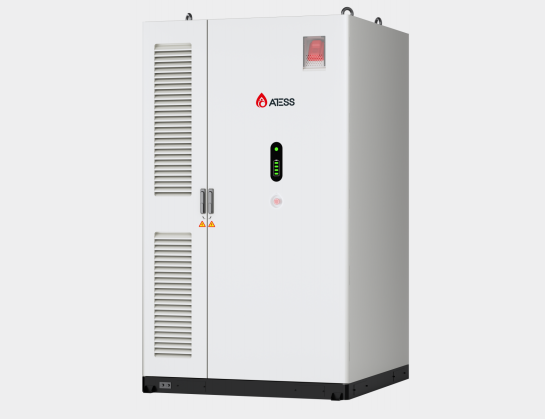
As energy storage systems become more connected, cybersecurity is an increasingly important consideration for commercial and industrial energy projects. Operators rely on digital platforms to monitor equipment, review performance data, and manage operations remotely. However, without appropriate protection, these connections may expose systems to unauthorized access and communication disruptions.
During Cybersecurity Awareness Month, we encourage energy storage developers, facility managers, and system integrators to treat cybersecurity as part of system design. At ATESS, we believe reliable energy management depends on dependable power conversion equipment and responsible monitoring practices.
Why Energy Storage Systems Need Cybersecurity Protection
A battery energy storage system (BESS) combines batteries, power conversion equipment, control systems, and communication interfaces. Together, these components manage charging and discharging, support electrical loads, and respond to changing energy demands.
Connectivity improves visibility across equipment and sites, but weak passwords, excessive access permissions, outdated software, and unsecured communication channels can introduce vulnerabilities. Unauthorized access or disrupted communications may affect operational visibility and complicate maintenance decisions. In systems where digital controls interact with physical equipment, cybersecurity incidents can also create operational and safety concerns.
The National Institute of Standards and Technology (NIST) emphasizes the importance of protecting operational technology while maintaining reliability, performance, and safety.
For energy storage operators, cybersecurity is not just about preventing unauthorized access. It also involves identifying abnormal activity, preserving reliable operation, and ensuring that maintenance teams can respond effectively when problems arise.
How Secure Monitoring Supports Energy Storage Operations
Monitoring helps operators track equipment status, system performance, and fault conditions. When configured appropriately, it allows maintenance teams to identify potential problems and make informed decisions before minor issues become more disruptive.
However, monitoring alone cannot guarantee security. Operators should combine it with several practical measures.
1. Control remote access. Assign individual accounts and permissions according to job responsibilities. Use multifactor authentication where supported, avoid shared administrator credentials, and remove access when personnel no longer need it.
2. Protect communication networks. Identify how inverters, data loggers, monitoring platforms, and external networks exchange information. Network segmentation, suitable firewall rules, and secure communication methods can help reduce unnecessary exposure.
3. Maintain software and firmware. Review relevant security advisories and apply verified updates according to manufacturer guidance. Schedule updates carefully to minimize disruption to critical operations.
4. Review alerts and activity. Establish routines for checking system alarms, unusual operating conditions, unexpected login activity, and communication interruptions. Define who investigates alerts and how incidents are escalated.
5. Prepare for incidents. Maintain configuration backups, recovery procedures, and technical support contacts. Regularly review response plans so personnel understand what to do if monitoring becomes unavailable or suspicious activity occurs.
These practices reflect the defense-in-depth approach recommended by the Cybersecurity and Infrastructure Security Agency (CISA). Effective protection requires ongoing review and coordination among equipment suppliers, integrators, and system owners.
The Role of an Energy Storage Inverter in Secure System Management
An energy storage inverter manages bidirectional power conversion between batteries and an AC electrical system. Depending on the application and configuration, it supports charging, discharging, and integration with the wider energy infrastructure.
Because an inverter plays a central operational role, project teams should examine its communication interfaces, configuration access, and maintenance procedures. Before commissioning, confirm which remote functions are available, how access is authorized, how faults are reported, and which safeguards the specific equipment supports.
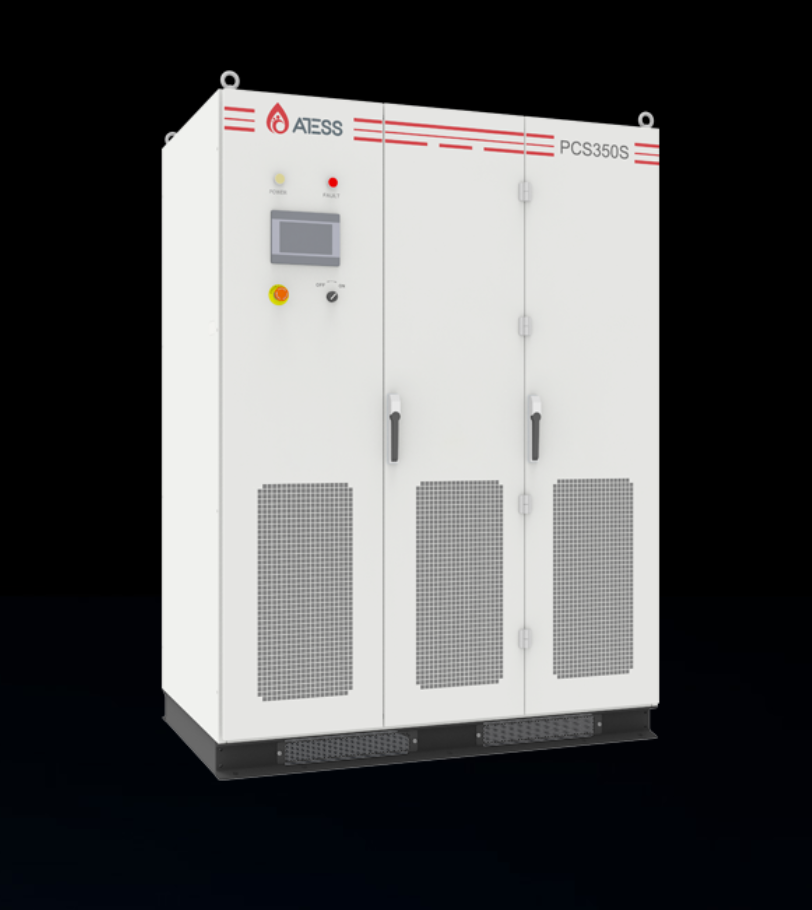
At ATESS, our battery inverter solutions serve commercial, industrial, and grid-level energy storage applications. Our bidirectional battery inverter portfolio covers power ratings from 100 kW to 1,500 kW, providing options for different project requirements. Selection should reflect the project's electrical design, operating conditions, and integration needs.
Importantly, installing an inverter does not automatically make an entire energy storage system secure. Protection also depends on network architecture, monitoring configuration, account management, and the maintenance practices adopted by operators and system integrators.
Making Monitoring Part of a Long-Term Security Plan
Cybersecurity planning should begin before commissioning. Integrators should document communication pathways, identify systems requiring remote access, define user permissions, and establish procedures for software updates and incident reporting.
After commissioning, operators should regularly review access permissions, test backup and recovery processes, and confirm that alerts reach the appropriate personnel. They should also remove unnecessary access for former contractors and document configuration changes to support troubleshooting.
Our energy storage monitoring solutions support equipment data collection, system performance monitoring, and operation and maintenance across different applications. Cybersecurity measures, including access controls and network protection, should be assessed and implemented according to the specific equipment documentation and project requirements. Customers should confirm the available security features of each product rather than assume that monitoring capabilities alone provide comprehensive cybersecurity protection. Customers should consult the relevant product documentation and configure access controls and network protections according to their project requirements.
Responsibilities should also be clearly divided among asset owners, installers, service providers, and equipment manufacturers. No single device or monitoring platform can eliminate every cybersecurity risk, but coordinated procedures can reduce exposure and improve incident response.
Building More Resilient Energy Storage Systems
Cybersecurity Awareness Month reminds us that energy storage reliability depends on more than hardware performance. Secure remote access, disciplined maintenance, network protection, and consistent monitoring all contribute to effective operational management.
As energy storage deployments expand across commercial, industrial, and grid applications, we encourage project stakeholders to evaluate cybersecurity early and review their practices throughout the system's service life. At ATESS, we support customers with energy storage and monitoring solutions for diverse project needs. By combining suitable equipment with sound security practices, operators can strengthen system resilience and manage their energy assets with greater confidence.