Winter brings new challenges for solar energy users. Shorter daylight hours, cloudy weather, and increased heating demand can change how homes and businesses generate and consume electricity. For commercial and industrial facilities, maintaining reliable power while controlling energy costs becomes especially important.
A hybrid solar inverter helps manage these changing conditions by coordinating electricity from solar panels, battery storage, and the utility grid. Understanding how these power sources work together can help businesses prepare their energy systems for winter and make better use of available renewable energy.
Why Winter Requires a Smarter Energy Management Strategy
Solar panels generally produce less electricity when daylight hours are shorter or sunlight is limited by cloud cover. At the same time, some facilities experience higher electricity demand because of heating equipment, lighting, and longer operating hours.
This mismatch between generation and consumption can increase dependence on grid electricity. Battery storage helps address the timing gap, but batteries alone cannot compensate indefinitely for insufficient solar generation. Effective energy management requires a system that can coordinate multiple power sources according to availability and demand.
For businesses, the first step is to review seasonal electricity consumption, historical solar output, and critical operating requirements. These figures provide a practical basis for selecting equipment and planning winter operating strategies.
How a Hybrid Solar Inverter Manages Three Power Sources
1. Solar Power: Use Available Daylight Efficiently
Solar panels generate direct current (DC) electricity, which an inverter converts into alternating current (AC) for compatible loads. When solar generation exceeds immediate consumption, a hybrid system can direct surplus energy toward battery charging, subject to battery capacity and system settings.
During winter, maximizing the use of available daylight becomes particularly valuable. Businesses can consider scheduling flexible operations during periods of stronger solar generation, where production requirements allow.
Keeping panels free from accumulated snow and checking for shading can also help maintain generation. Actual output will depend on location, panel orientation, weather, and installation conditions.
2. Battery Storage: Shift Energy to When It Is Needed
A battery allows electricity generated during productive solar hours to be used later. For example, a facility may charge its battery around midday and discharge it during the late afternoon, when solar output decreases but lighting and equipment remain in operation.
Battery storage can also support selected backup loads when the system is configured for this purpose. However, winter planning should account for battery capacity, charging conditions, discharge limits, and expected consumption. Repeatedly drawing more energy than the system can store will not provide reliable coverage through long nights or extended cloudy periods.
3. Grid Power: Maintain Supply When Solar and Batteries Are Insufficient
The utility grid remains an important part of many hybrid installations. When solar generation and available battery energy cannot meet demand, the system can draw electricity from the grid according to its configuration and control settings.
Depending on the equipment and local regulations, the grid may also provide a charging source for batteries. This can be useful when preparing for forecast low-solar periods or maintaining a specified backup reserve.
The appropriate strategy depends on electricity tariffs, grid reliability, and the facility's operational priorities. Businesses should verify which operating modes their selected inverter supports.
What Should Businesses Check Before Winter?
Preparing an energy system involves more than installing a larger battery. Several practical checks can improve readiness.
Review seasonal load requirements. Identify critical equipment, expected winter consumption, and the duration for which backup power may be needed.
Check battery compatibility and capacity. Confirm that the battery voltage range, communication protocol, and charging requirements match the inverter. Allow for reserve capacity rather than planning around the assumption that all stored energy will always be available.
Verify backup operation. Not every grid-connected inverter automatically provides power during an outage. Confirm switching behavior, supported loads, and any additional equipment required for backup operation.
Inspect the installation. Check electrical connections, ventilation, protective devices, and monitoring functions. Follow manufacturer instructions for operating and maintaining equipment in cold conditions.
Plan for changing electricity prices. If time-based tariffs apply, review whether battery charging and discharging schedules can reduce costs without compromising backup reserves.
Our Hybrid Solar Inverter Solutions at ATESS
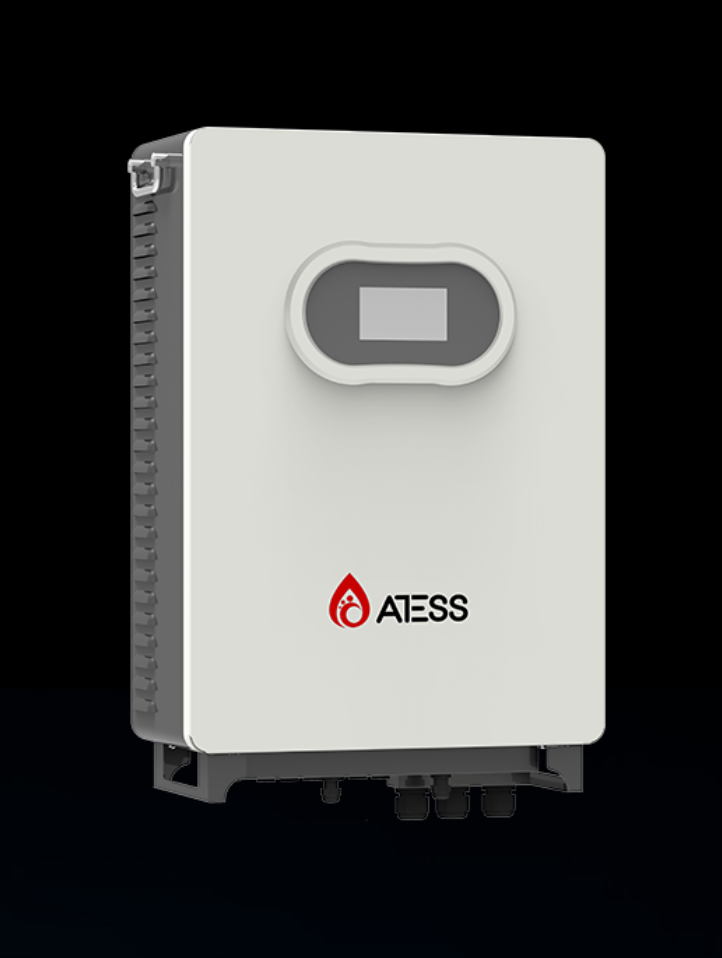
At ATESS, we provide solar energy storage and EV charging solutions for residential, commercial, and industrial applications. Our hybrid inverter portfolio supports the integration of photovoltaic generation, battery storage, loads, and grid connections, helping customers configure energy systems around their specific operating needs.
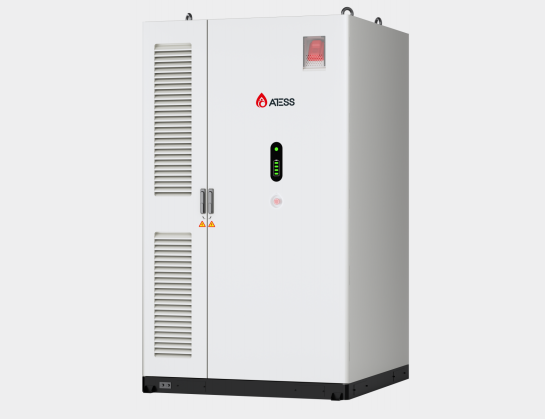
For example, our HPS30/50/100/120/150 series is designed for small and medium commercial and industrial applications. According to our official product information, the series offers rated power options of 30, 50, 100, 120, and 150 kW, with programmable operating modes including peak shaving, backup, and self-consumption. It also supports seamless switching within 10 milliseconds when the utility grid goes down.
These specifications apply to the HPS30/50/100/120/150 series and should not be assumed to apply to every ATESS model. Battery compatibility, system sizing, and backup configuration must be verified against the relevant product documentation and project requirements.
Explore our hybrid inverter solutions to review available models and identify equipment suited to your application.
Prepare for Winter with a Better Energy Strategy
Winter performance depends on the entire energy system, not just one component. Solar generation forecasts, battery capacity, grid availability, and actual load requirements all influence how effectively electricity can be managed.
At ATESS, we believe that careful planning and suitable equipment selection are essential to building a reliable energy strategy. By coordinating solar, battery, and grid power, businesses can improve energy flexibility, use available renewable electricity more effectively, and prepare their operations for seasonal changes.