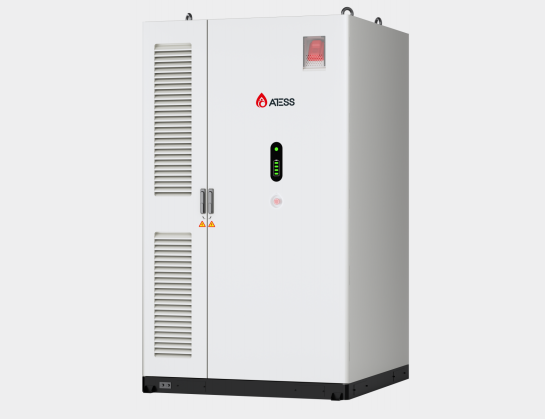
Energy efficiency depends not only on how much electricity is consumed, but also on when it is used. For businesses, battery energy storage can improve renewable energy utilization and help manage electricity demand. On Energy Efficiency Day, we explore its practical benefits and what to consider before investing.
Why Energy Storage Matters for Energy Efficiency
Electricity demand and renewable generation rarely match perfectly. Solar panels may generate surplus power during sunny hours, while a facility may need electricity in the evening, during production peaks, or when weather reduces solar output. Without storage, surplus generation may be exported or curtailed, while the facility later draws power from the grid.
A battery energy storage system (BESS) stores electricity and discharges it when demand rises or generation falls. Although charging and conversion involve losses, storage can shift energy to a more useful time and improve on-site energy use.
Four Ways Battery Storage Supports Smarter Energy Use
1. Use More of the Solar Power You Generate
Businesses with rooftop or ground-mounted solar systems may produce more electricity than they can use immediately. A battery can capture part of this surplus and supply it later, increasing the share of solar power consumed on-site.
Review interval consumption data alongside solar output to estimate available surplus energy and when it could be used.
2. Manage Peak Demand and Time-Based Tariffs
Some electricity tariffs charge businesses based on maximum demand or vary prices by time of day. A properly controlled storage system can discharge during selected high-demand periods, reducing the power drawn from the grid. Where tariff rules make it worthwhile, charging at lower-cost times and discharging during more expensive periods may also help manage bills.
Savings are not automatic. They depend on tariff design, battery capacity, power rating, round-trip efficiency, cycling strategy, and degradation over time. A project assessment should model these factors against real electricity data rather than rely on a general payback estimate.
3. Support Critical Loads During Grid Interruptions
An outage can interrupt production, affect essential equipment, and create avoidable downtime. When designed for backup operation, a battery system can supply designated loads if the grid fails.
The available backup power and duration depend on inverter capabilities, battery capacity, load characteristics, and the system's electrical configuration. Businesses should identify critical equipment first and decide how long it needs to operate. Not every grid-connected storage system automatically provides backup, so this function must be confirmed during system design.
4. Make Renewable Energy Integration More Flexible
As organizations add solar generation and other distributed energy resources, coordinating power flows becomes more complex. Storage can help balance generation and demand, support load shifting, and provide flexibility in on-grid, off-grid, or hybrid configurations where the equipment is designed for those modes.
Control strategies depend on site conditions and grid rules, so storage should be planned as part of the wider electrical system.
How to Evaluate an Energy Storage System
Start by defining the main objective: increasing solar self-consumption, reducing peak demand, supporting backup loads, or combining several goals. Each objective leads to different sizing and control requirements.
Next, distinguish power from energy capacity. Power, measured in kilowatts (kW), indicates how much electricity a system can deliver at one time. Energy capacity, measured in kilowatt-hours (kWh), indicates how much electricity it can store. Both values should match the site's load profile and required discharge duration.
Check battery and inverter compatibility, efficiency, operating modes, safety, monitoring, maintenance access, and integration with existing electrical controls.
Finally, compare total ownership costs, not just the equipment price. Installation, maintenance, tariff changes, battery degradation, and energy losses affect long-term results. A correctly sized system with a clear operating plan is more likely to deliver practical value than one selected on capacity alone.
Our Energy Storage Solutions at ATESS
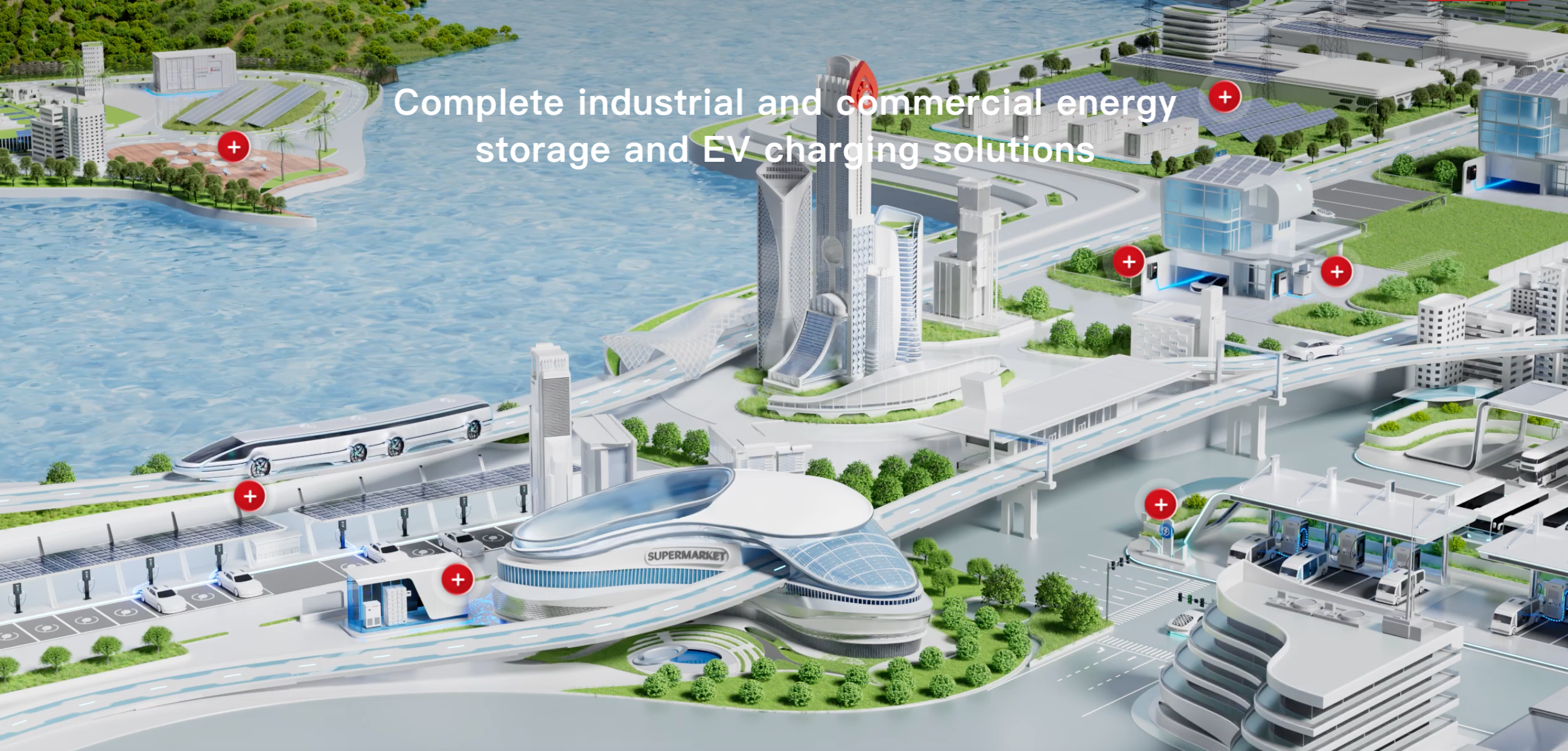
At ATESS, we provide energy storage solutions for small commercial, commercial, and industrial applications, alongside EV charging solutions for residential and commercial users. Our energy storage portfolio includes hybrid inverters, bidirectional battery inverters, battery solutions, solar charge controllers, bypass cabinets, and rectifiers, supporting projects ranging from small commercial installations to larger commercial and industrial systems.
Our hybrid inverters integrate photovoltaic generation, battery storage, and grid management in one unit. For larger storage applications, our bidirectional battery inverters manage power conversion between battery systems and AC networks. The suitable equipment depends on project scale, electrical design, and the intended operating modes; compatibility and backup requirements should be confirmed for each installation.
Explore our energy storage products to review the available equipment categories and identify options for your application. We recommend starting with the site's load profile, generation data, and operational goals so the system can be configured around real requirements.
Turn Energy Efficiency into an Everyday Practice
Energy efficiency requires understanding when power is generated and consumed, choosing suitable controls, and measuring performance. Properly designed battery storage can improve renewable energy use, manage demand, and increase supply flexibility.
At ATESS, we believe smarter energy use begins with practical planning. By matching storage technology to actual site needs, businesses can make more informed energy decisions and work toward efficient, resilient, and sustainable operations.